Herringbone — the gold standard
Classic herringbone is a zigzag pattern angled to provide bidirectional bite. It’s been the dominant basketball outsole pattern since the 1970s because it works. Best for indoor hardwood — clean herringbone bites hard with minimal break-in.
Modified herringbone — for explosive cuts
Modern flagships use ‘modified’ herringbone — angled differently in different zones (forefoot vs heel vs lateral). The modification is to handle cuts that aren’t purely linear. The Air Jordan 3 retro and the Nike LeBron line both use modified herringbone variants.
Multi-directional — for rotational play
Multi-direction patterns (concentric circles, radial spikes, mixed-angle treads) bite in any direction. They’re popular for guards who pivot and spin a lot. Trade-off: faster wear under linear cuts than herringbone.
Pivot circle — heritage and modern lifestyle
The Air Force 1 pivot circle was originally an indoor basketball pattern (1982 Moses Malone). Modern lifestyle versions retain the pattern but use less-grippy rubber. Don’t try to hoop in the AF1 Low — it’s not designed for it anymore.
Solid vs blown rubber
Solid rubber outsoles last longer outside; blown rubber is softer and grippier indoors. The same pattern in solid rubber may feel less sticky on dusty courts but lasts far longer on asphalt. Outdoor specialists (Witness 9, Precision 7) almost always run solid rubber.
XDR — Nike’s outdoor compound
Some Nike basketball shoes ship in XDR (eXtra Durable Rubber) versions — same pattern, different compound. Worth checking for outdoor play.
Featured shoes
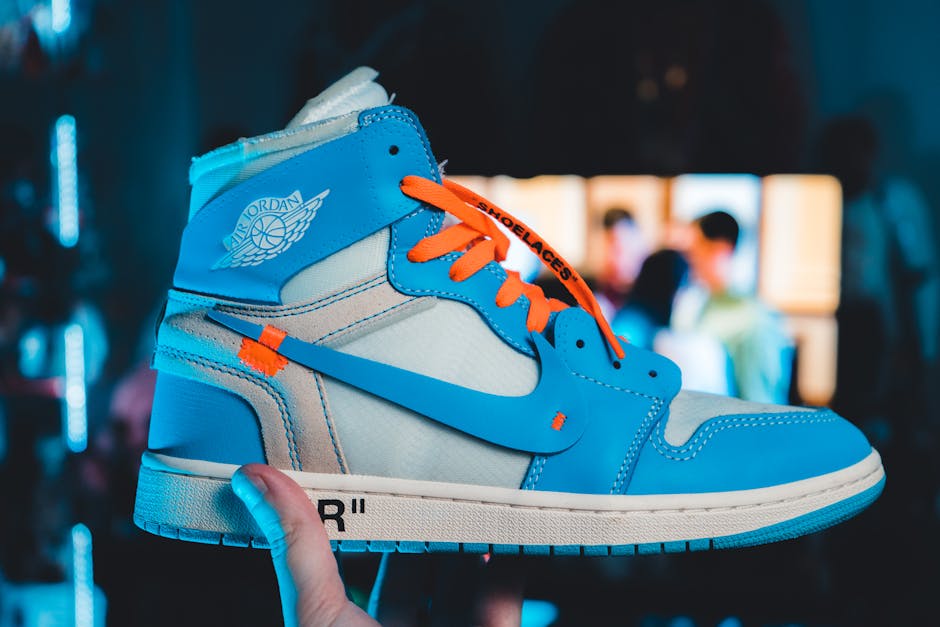 premium
Nike
GT Cut 3
- Cushioning: Zoom Air Strobel + ZoomX
- Weight: 13.9 oz · Drop: 8 mm
- Cut: Low · Width: Standard
- Best for: PG/SG — Slasher;Shooter
$239.99Price as of Oct 21, 2026, 12:29 UTC
 budget
Nike
Precision 7
- Cushioning: Phylon
- Weight: 13 oz · Drop: 8 mm
- Cut: Mid · Width: Standard
- Best for: SG/SF — All-Around
$80.00Price as of Oct 21, 2026, 12:29 UTC
 premium
- Cushioning: Air Sole
- Weight: 15.4 oz · Drop: 8 mm
- Cut: Mid · Width: Standard
- Best for: SF — All-Around
$199.12Price as of Oct 21, 2026, 12:29 UTC