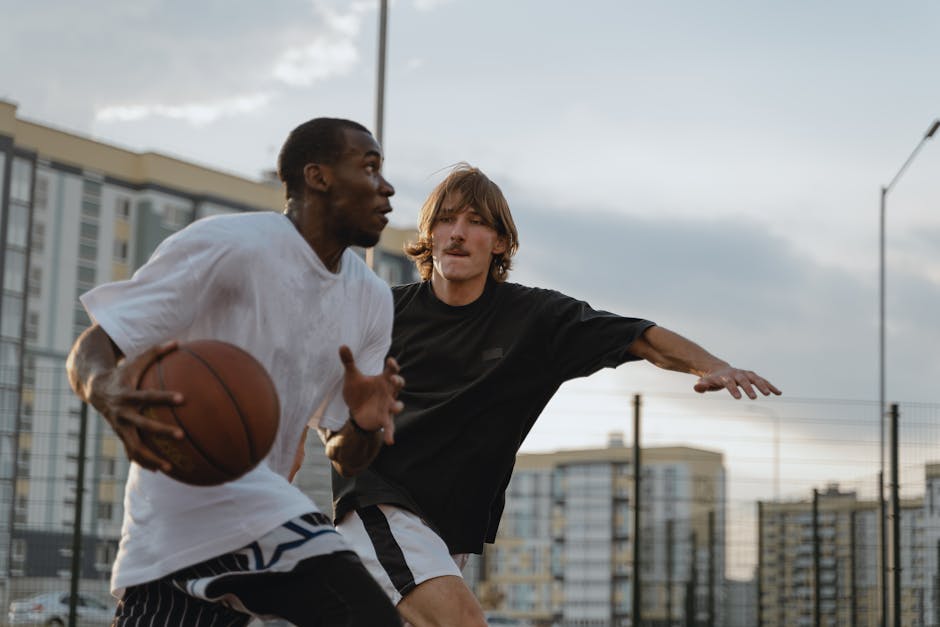
Point guards live and die on the first step. Whether you’re slashing through traffic, breaking down defenders off the catch, or running a half-court offence at controlled pace, the spec stack that matters at one is consistent: light, low-cut, court-feel forward, with multi-direction or modified-herringbone traction that holds up under hard cuts.
Below are the spec-matched picks from our database for point guards, sorted by typical guard priorities (weight first, lockdown second, cushioning feel third).
What point guards should prioritise (the spec stack)
- Weight: under 13.5 oz. Anything heavier and your tenth-tenth quickness suffers. The lightest current PG-priority shoes sit between 12.4 and 13.0 oz.
- Cut height: low. Mid-cuts add 0.4–0.6 oz of collar weight and reduce ankle articulation. The trade-off is rarely worth it for guards.
- Drop: 7–8 mm. Lower drops keep you closer to the floor and improve stop-on-a-dime control. Modern PG-priority shoes have converged here.
- Cushioning feel: responsive, not plush. Plush cushioning swallows energy at the start of a drive. ZoomX, Nitro Foam and Lightstrike-on-light-shoes all sit in the responsive band.
- Traction: multi-directional or modified herringbone. Pure herringbone is faster wear under explosive lateral cuts; multi-direction patterns hold longer.
- Width: depends on you, not the shoe. Many guard-priority shoes run narrow (Curry, Kyrie, Trae, Sabrina). Wide-footed guards should size up half or move to a wider-last brand.
Position fit vs play style — they’re not the same
Most “best for point guards” lists conflate position and play style. They’re not the same thing. A run-of-show point guard who shoots 50/40/90 and rarely drives needs a different shoe than a downhill-attacking PG who lives in the lane. Use our shoe finder tool to layer position over play style for a more accurate match.
What about ankle support?
There is a persistent myth that high-tops prevent ankle injuries. The peer-reviewed evidence does not support this — height of cut has roughly no measurable effect on first-acute-sprain rates in controlled studies. What does help: laced-up properly, broken in, with cushioning that hasn’t gone to compression yet. So pick the cut that fits your play, not the cut that “looks safer.”
A note on price
We don’t quote literal prices on this page in line with Amazon’s affiliate operating agreement (prices change daily and stale prices break trust). The price band you see in each spec card maps to: budget (under $100), mid ($100–160), premium ($160–220+). Click through any “Check Price on Amazon” button to see the current price.
Featured shoes
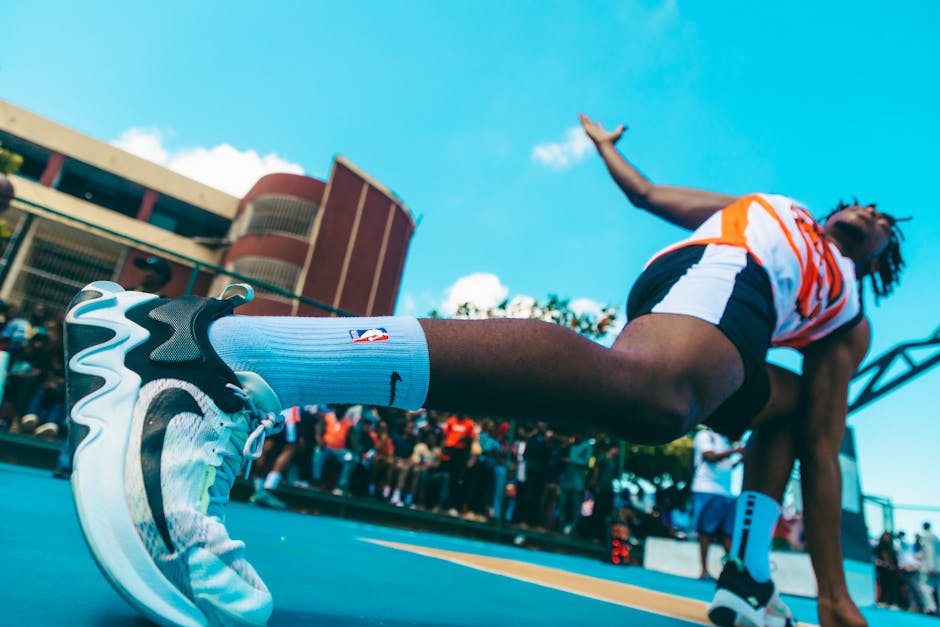 mid
- Cushioning: Zoom Air Strobel
- Weight: 13.7 oz · Drop: 7 mm
- Cut: Mid · Width: Narrow
- Best for: PG/SG — Slasher
$222.00Price as of Oct 21, 2026, 12:29 UTC
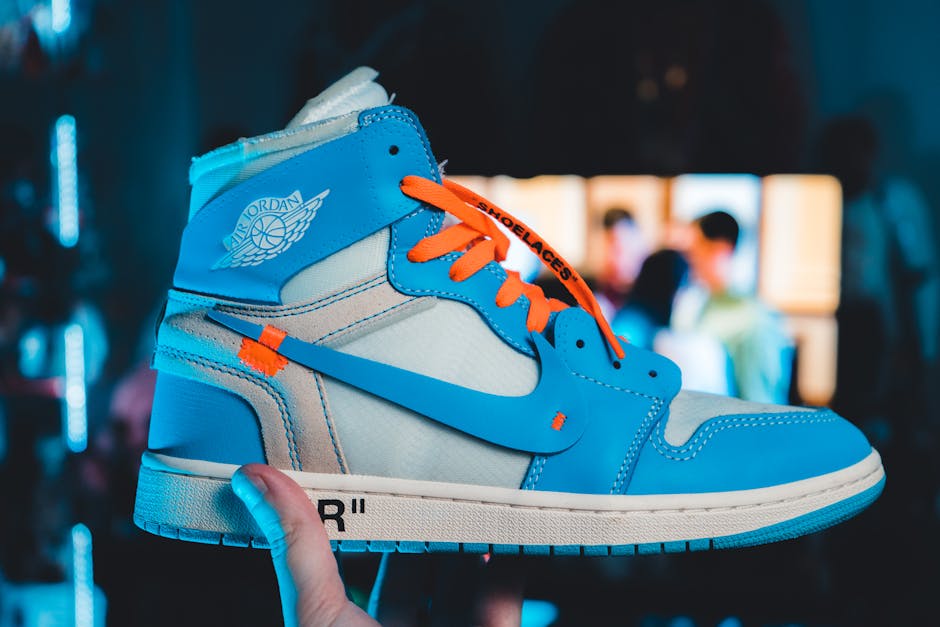 premium
Nike
GT Cut 3
- Cushioning: Zoom Air Strobel + ZoomX
- Weight: 13.9 oz · Drop: 8 mm
- Cut: Low · Width: Standard
- Best for: PG/SG — Slasher;Shooter
$239.99Price as of Oct 21, 2026, 12:29 UTC
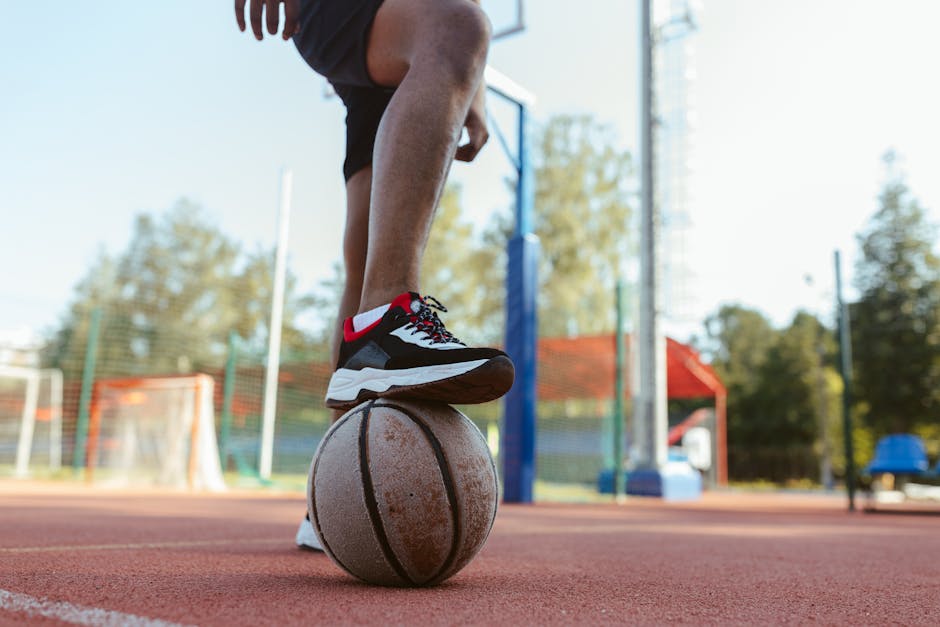 mid
- Cushioning: Zoom Air
- Weight: 13.4 oz · Drop: 8 mm
- Cut: Low · Width: Standard
- Best for: PG — Slasher
$119.00Price as of Oct 21, 2026, 12:29 UTC
 mid
- Cushioning: Lightstrike
- Weight: 12.6 oz · Drop: 7 mm
- Cut: Low · Width: Narrow
- Best for: PG — Slasher
$133.00Price as of Oct 21, 2026, 12:29 UTC
 mid
- Cushioning: Flow + UA HOVR
- Weight: 13 oz · Drop: 7 mm
- Cut: Low · Width: Standard
- Best for: PG/SG — Shooter
$110.30Price as of Oct 21, 2026, 12:29 UTC
 mid
- Cushioning: Nitro Foam
- Weight: 13.7 oz · Drop: 8 mm
- Cut: Low · Width: Standard
- Best for: PG/SG — Slasher;All-Around
$119.90Price as of Oct 21, 2026, 12:29 UTC