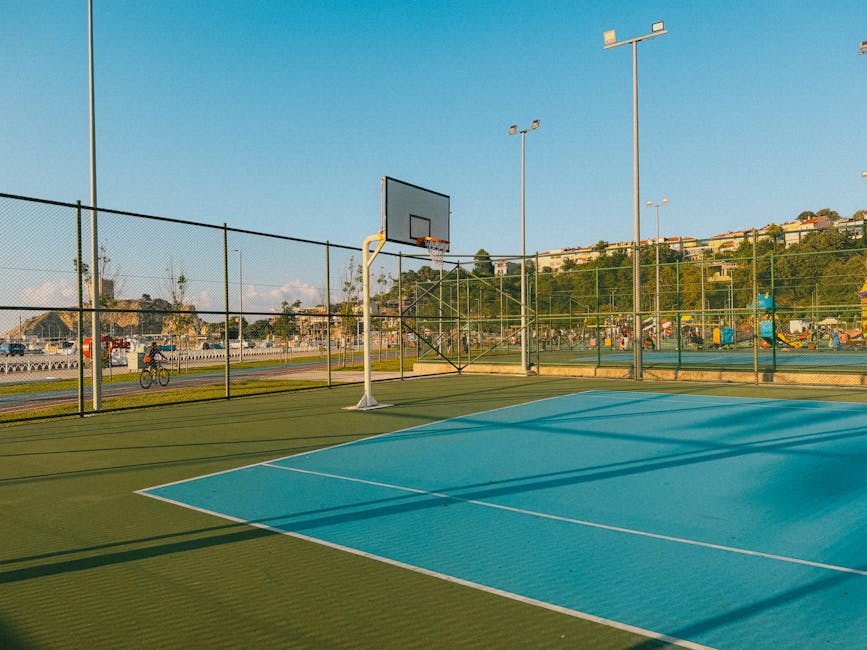
Outdoor basketball is the unforgiving cousin of indoor hoops. Concrete and asphalt grind through outsoles in months, not seasons. The shoes that survive share three traits: solid (not blown) rubber outsoles, herringbone (or modified herringbone) traction patterns, and manufacturer surface ratings of “Outdoor” or “Both.”
The picks below are sorted from our outdoor durability score tool — a composite of surface rating, outsole compound and traction pattern. Want to score your current shoe? Plug it in.
Why blown rubber kills outdoor shoes
Blown rubber is whipped with air during manufacturing. It feels softer underfoot — better court feel — but the trade-off is wear. Indoor flagship shoes are mostly blown rubber outsoles. Outdoor-rated shoes use solid rubber, which is denser, longer-lasting, and slightly less responsive. The good outdoor specialists (LeBron Witness, the Adidas Pro Bounce, Nike Precision) accept the small loss in court feel in exchange for outsole longevity.
XDR is a real thing — when it’s not marketing
“XDR” (eXtra Durable Rubber) is Nike’s term for outsoles tuned for outdoor durability. Some basketball shoes ship in dual versions — indoor and “XDR” — with different outsoles. If a shoe is available in an XDR version, that’s the version to buy for outdoor play. Confirm on the product page; not every “Witness” or “Precision” model is XDR by default.
The asphalt-vs-concrete distinction
Asphalt is rougher and abrasive — it eats outsoles by surface friction. Concrete is harder and creates more impact through the midsole. The same shoe will last longer on concrete (where the midsole takes the beating) than on asphalt (where the outsole does). Our durability score adjusts for surface in its lifespan estimate.
When to upgrade from “outdoor budget” to “outdoor mid-range”
If you’re playing 4+ hours per week outdoor, the cushioning compression curve in the budget tier (Phylon-only midsoles, sub-$80 retail) is steep. After about 6 months, the shoe stops doing its job. Step up to a mid-tier outdoor shoe with Zoom Air or Bounce cushioning and you’ll get 9–11 months out of the same play volume.
Outdoor durability is half the story — pick by play style too
A durable outdoor shoe that’s wrong for your play style still gets uncomfortable fast. Layer “outdoor” over “play style” using the shoe finder tool and you’ll narrow to the 4-5 shoes that match both criteria.
Featured shoes
 mid
- Cushioning: Zoom Air + Phylon
- Weight: 14.2 oz · Drop: 8 mm
- Cut: Mid · Width: Standard
- Best for: SF/PF — All-Around
$98.99Price as of Oct 21, 2026, 12:29 UTC
 budget
Nike
Precision 7
- Cushioning: Phylon
- Weight: 13 oz · Drop: 8 mm
- Cut: Mid · Width: Standard
- Best for: SG/SF — All-Around
$80.00Price as of Oct 21, 2026, 12:29 UTC
 budget
Adidas
OwnTheGame 3
- Cushioning: Bounce
- Weight: 13.6 oz · Drop: 8 mm
- Cut: Mid · Width: Standard
- Best for: SG/SF — All-Around
$60.48Price as of Oct 21, 2026, 12:29 UTC
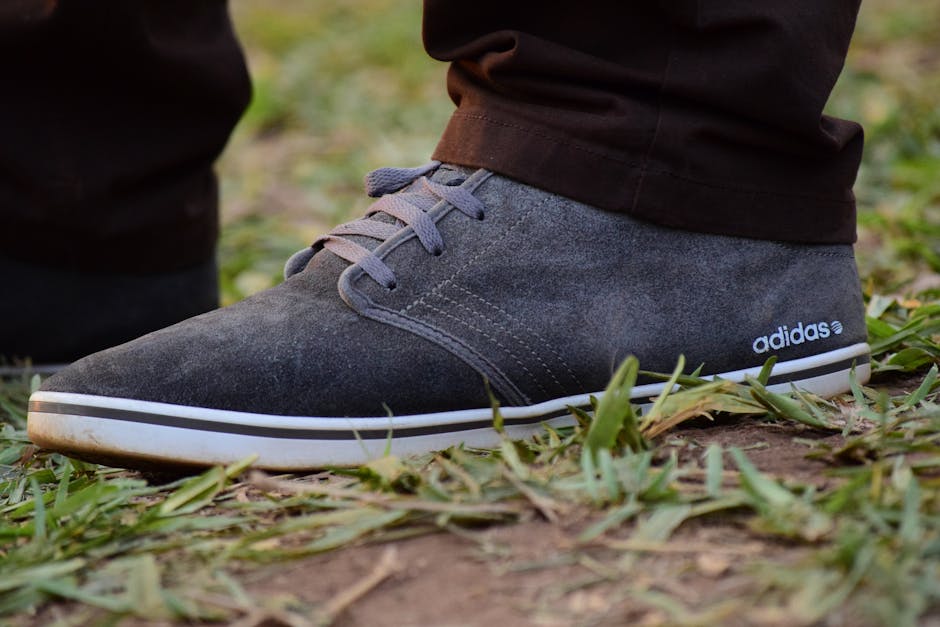 budget
Adidas
Pro Bounce 2024
- Cushioning: Bounce + Lightstrike
- Weight: 14 oz · Drop: 8 mm
- Cut: Mid · Width: Standard
- Best for: SF/PF — All-Around
$89.97Price as of Oct 21, 2026, 12:29 UTC
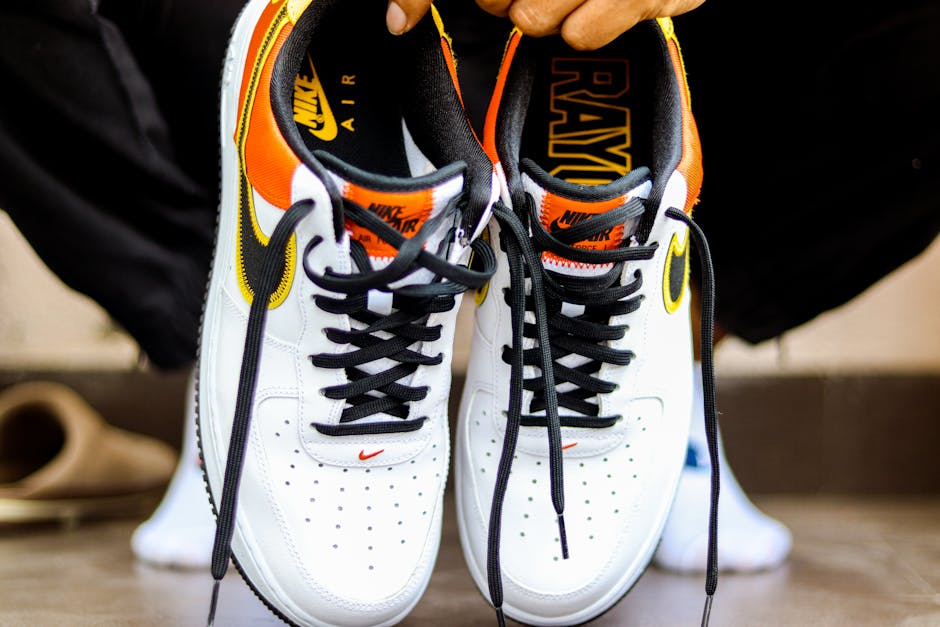 budget
Nike
Renew Elevate 3
- Cushioning: Phylon
- Weight: 13.4 oz · Drop: 8 mm
- Cut: Low · Width: Standard
- Best for: SG — All-Around
$79.99Price as of Oct 21, 2026, 12:29 UTC
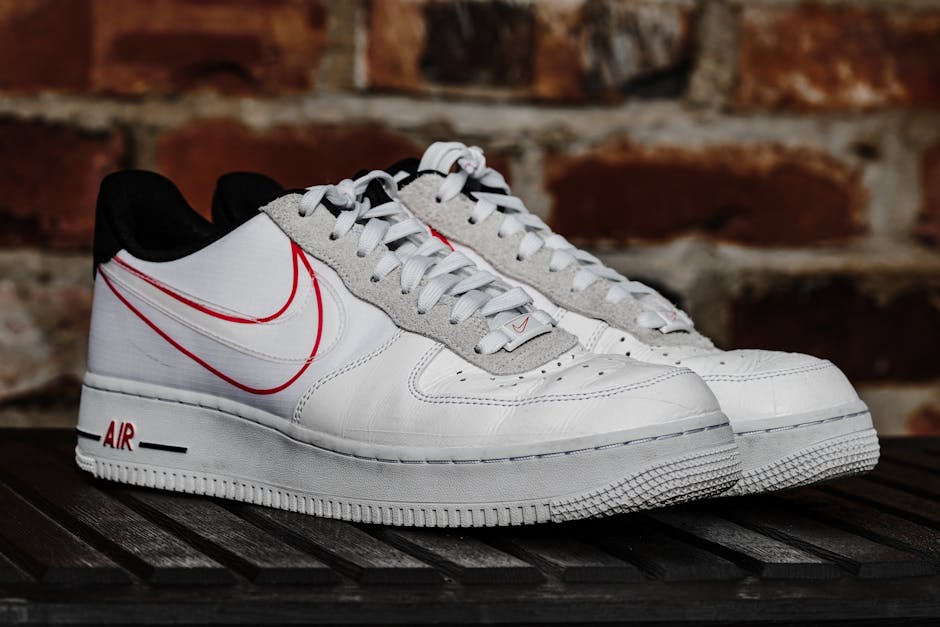 budget
- Cushioning: Phylon + Zoom Air
- Weight: 13.4 oz · Drop: 8 mm
- Cut: Mid · Width: Standard
- Best for: SF — All-Around
$80.00Price as of Oct 21, 2026, 12:29 UTC
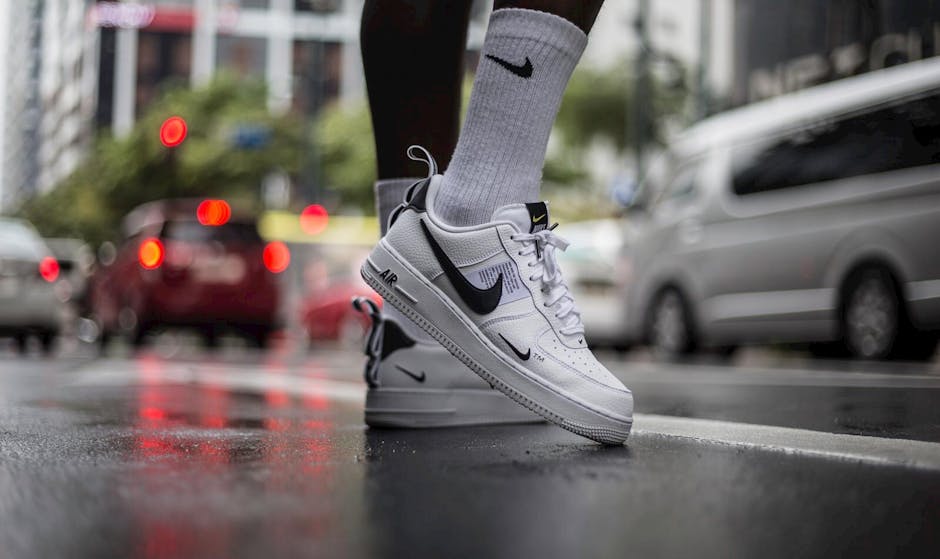 budget
Nike
Air Max Impact 4
- Cushioning: Air Max + Phylon
- Weight: 14.2 oz · Drop: 9 mm
- Cut: Mid · Width: Wide
- Best for: PF/C — Big-Man
 budget
Jordan
One Take 5
- Cushioning: Phylon + Zoom Air
- Weight: 14 oz · Drop: 8 mm
- Cut: Mid · Width: Standard
- Best for: SG/SF — All-Around
$95.95Price as of Oct 21, 2026, 12:29 UTC