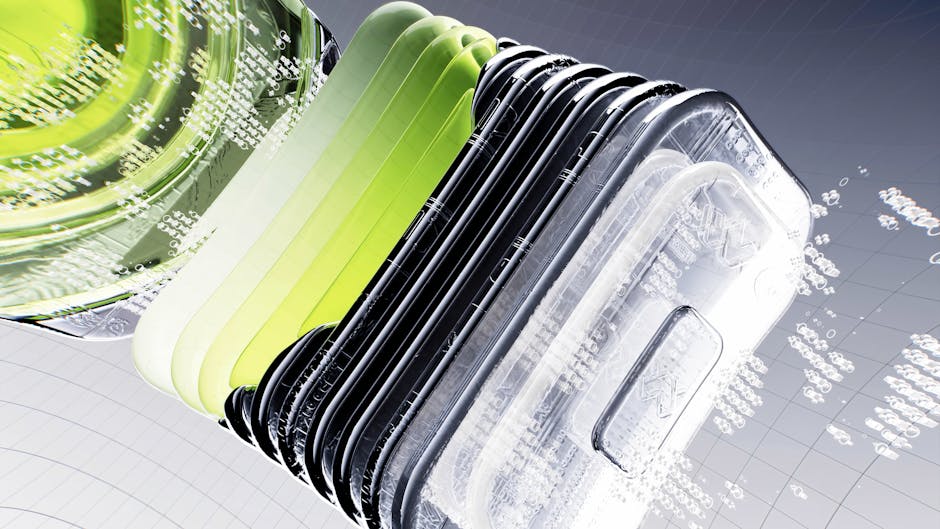
Nike Zoom Air has been the technical anchor of basketball cushioning for nearly thirty years. It’s also one of the most-misunderstood pieces of footwear technology — buyers conflate it with ZoomX (a totally different cushioning), with Air Max (visible-airbag predecessor), and with React (a foam, not air). Here’s the honest version, with the shoes that use it.
What Zoom Air actually is
Zoom Air is a pressurised, sealed plastic pod with hundreds of bonded nylon fibres running floor-to-ceiling inside the pod. When you compress the pod — landing from a layup, planting on a step-back — the fibres compress and the pressurised air pushes back, returning energy on toe-off. The pod sits low in the midsole (under the heel, under the forefoot, or both depending on the shoe).
The result is a “responsive” cushioning feel: very fast energy return, shallow compression depth, close-to-the-ground court feel.
Zoom Air vs ZoomX — they’re not the same
This is the most-confused pairing in basketball cushioning.
- Zoom Air is air-pressurised pod cushioning. Responsive. Anchors lines like Kyrie, KD, Ja, PG, Sabrina, the LeBron line (paired with Cushlon), the Freak / Giannis line (paired with Cushlon).
- ZoomX is a Pebax-based supercritical foam (no air pods). Plush + bouncy. Anchors GT Cut, GT Jump, Cosmic Unity, plus most of Nike’s distance running flagships.
ZoomX is much softer underfoot. Zoom Air stays close to the floor. They’re often paired in the same shoe (Strobel + ZoomX layer).
Zoom Strobel — the part you’re walking on
Modern flagship basketball shoes (Kyrie, Ja, GT Cut) place a Zoom Air “Strobel board” directly under your foot, between the insole and the midsole foam. This is a thin, full-length zoom pod that you actually feel responding under your weight. It’s what gives Nike basketball flagships their distinctive court feel.
Cushioning compression — the practical lifespan
A Zoom Air pod doesn’t go flat — it doesn’t lose pressurisation under normal use. What loses elasticity is the bonded fibres inside. After 12-18 months of regular play, the energy-return curve flattens by 20-30%. You’ll feel it as: “still responsive, but less bounce.” That’s the moment to consider replacing.
Which basketball shoes use Zoom Air
Most current Nike basketball performance flagships use Zoom Air in some form. The Witness line is an exception — it uses Phylon foam plus Zoom Air only in select generations. Check the spec on each shoe’s product page on our shoes index — every product card lists the cushioning explicitly.
The bottom line
If you prioritise responsive court feel and quick energy return, Zoom Air is the platform you want. If you prioritise plush, bouncy, deep cushioning, look at ZoomX (Nike), Boost (Adidas), Nitro (Puma), or FuelCell (New Balance). Use our cushioning comparison tool to see them side-by-side.
Featured shoes
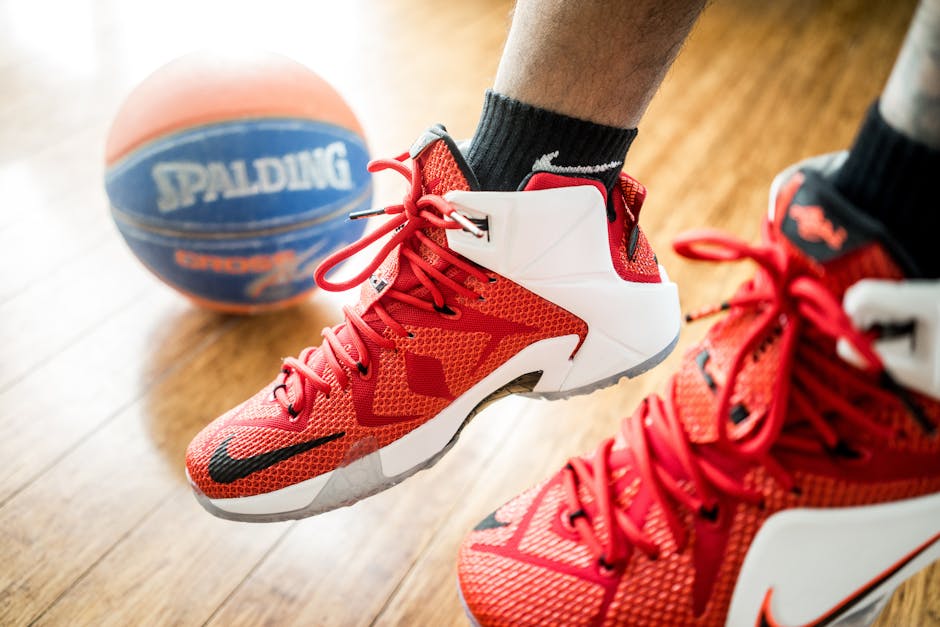 premium
- Cushioning: Zoom Air + Cushlon 3.0
- Weight: 15.6 oz · Drop: 8 mm
- Cut: Mid · Width: Standard
- Best for: PF/C — All-Around
$119.97Price as of Oct 21, 2026, 12:29 UTC
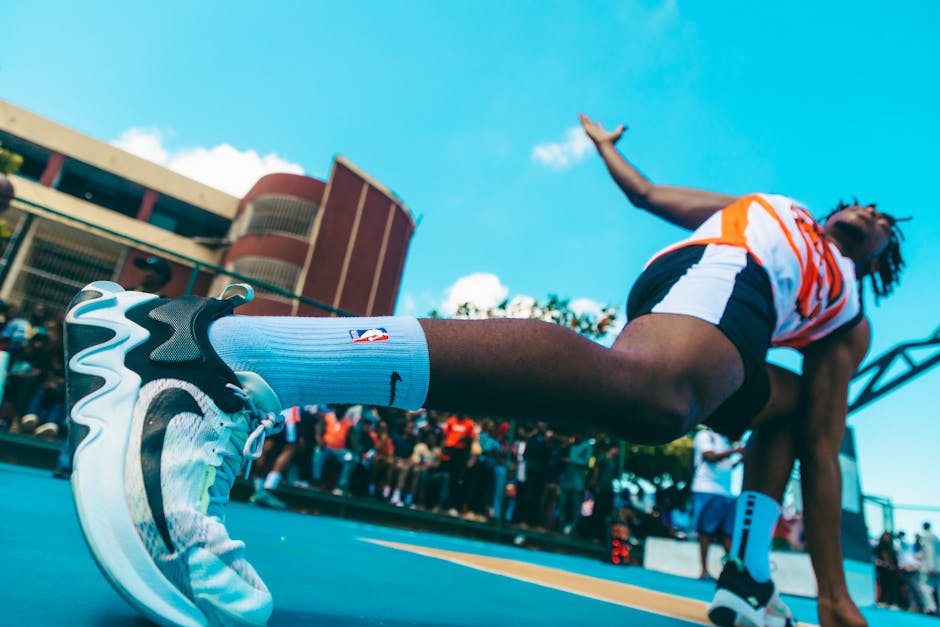 mid
- Cushioning: Zoom Air Strobel
- Weight: 13.7 oz · Drop: 7 mm
- Cut: Mid · Width: Narrow
- Best for: PG/SG — Slasher
$222.00Price as of Oct 21, 2026, 12:29 UTC
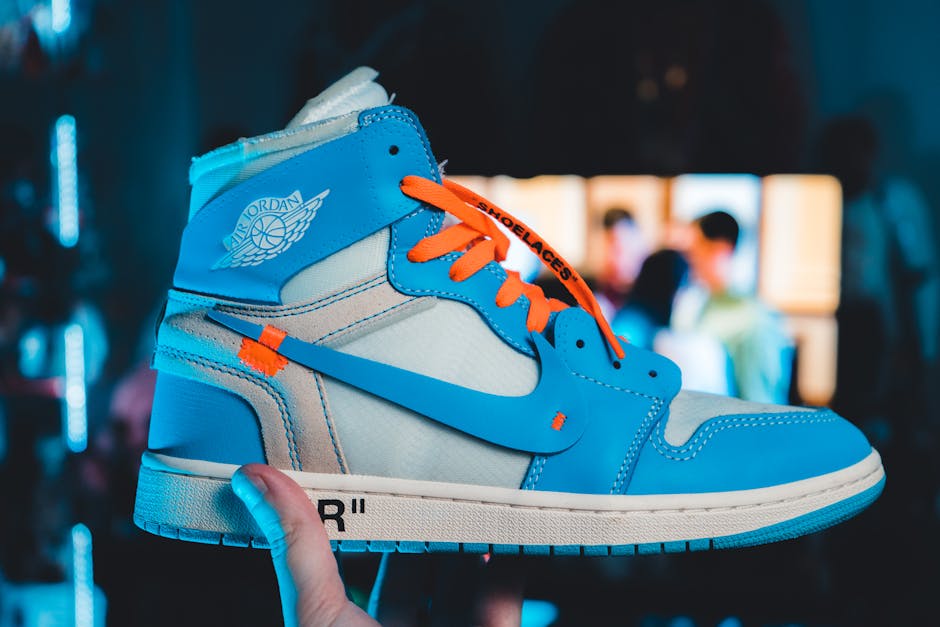 premium
Nike
GT Cut 3
- Cushioning: Zoom Air Strobel + ZoomX
- Weight: 13.9 oz · Drop: 8 mm
- Cut: Low · Width: Standard
- Best for: PG/SG — Slasher;Shooter
$239.99Price as of Oct 21, 2026, 12:29 UTC
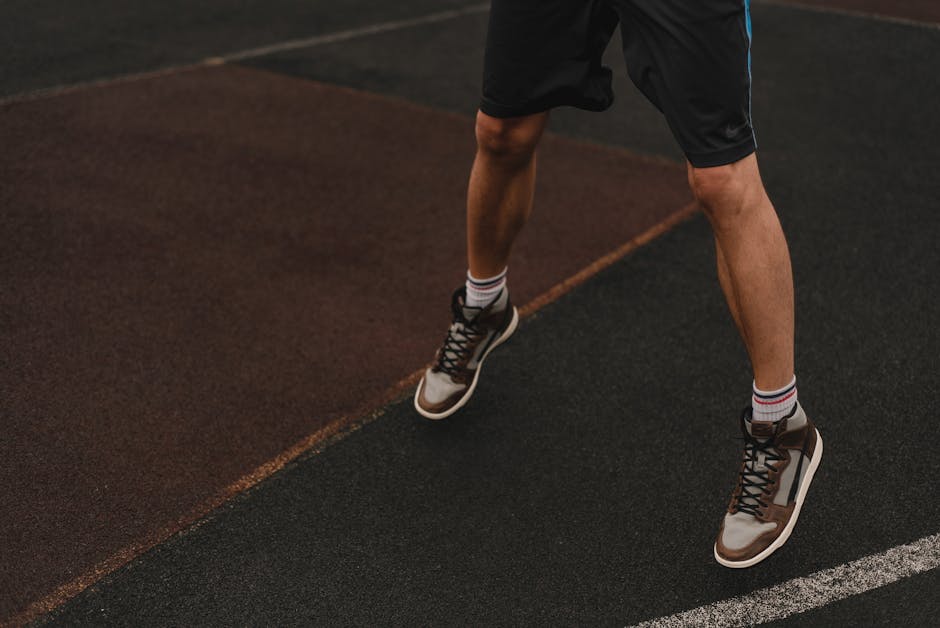 mid
- Cushioning: Zoom Air Strobel + Cushlon 3.0
- Weight: 14 oz · Drop: 8 mm
- Cut: Mid · Width: Standard
- Best for: SF/PF — All-Around
$132.90Price as of Oct 21, 2026, 12:29 UTC
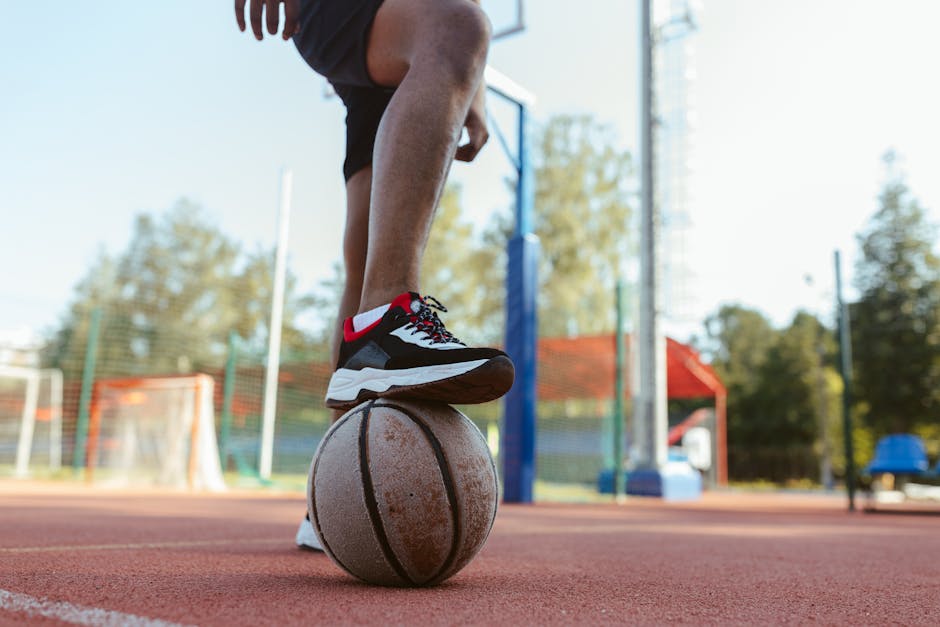 mid
- Cushioning: Zoom Air
- Weight: 13.4 oz · Drop: 8 mm
- Cut: Low · Width: Standard
- Best for: PG — Slasher
$119.00Price as of Oct 21, 2026, 12:29 UTC
 mid
- Cushioning: Zoom Air
- Weight: 13.5 oz · Drop: 9 mm
- Cut: Low · Width: Standard
- Best for: SG/SF — All-Around
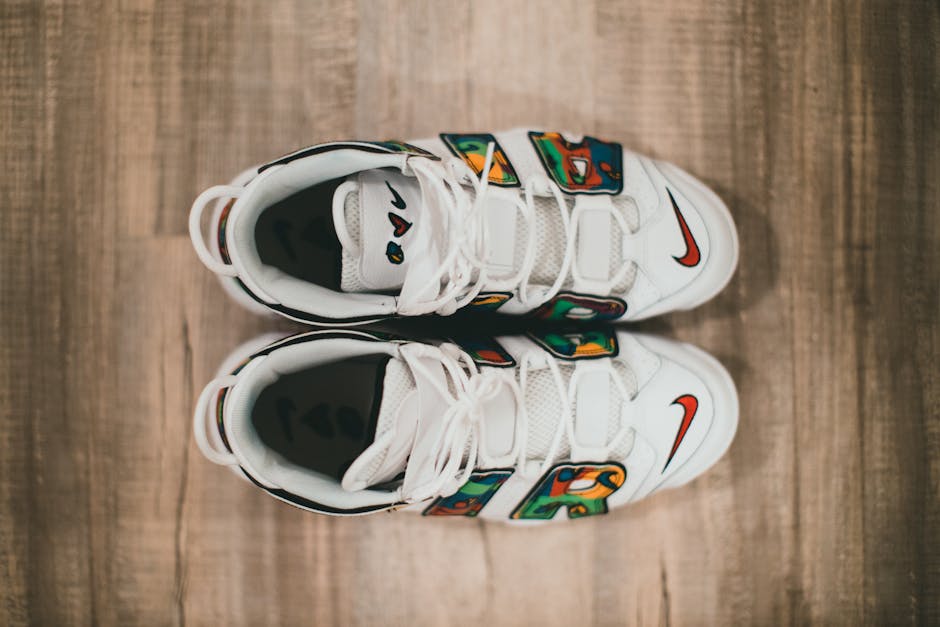 premium
Nike
Air Zoom BB NXT
- Cushioning: Triple Zoom Air
- Weight: 14.6 oz · Drop: 8 mm
- Cut: Mid · Width: Standard
- Best for: SG/SF — All-Around